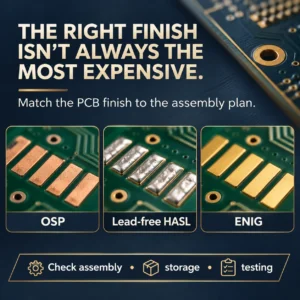
PCB Surface Finish Selection: A Procurement Decision Beyond Unit Price
PCB surface finish is often treated as a technical detail to be finalized after the board design. For OEM and EMS buyers, that decision also

PCB surface finish is often treated as a technical detail to be finalized after the board design. For OEM and EMS buyers, that decision also
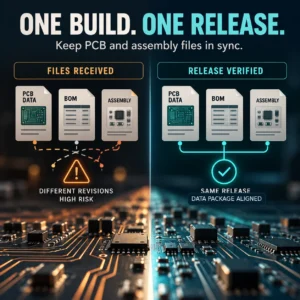
A PCB project can have a complete quotation, a willing manufacturer and an agreed target date, yet still encounter avoidable questions when production begins. One

A PCB delivery plan can lose time before fabrication begins. An order has been placed, yet a question about the manufacturing data remains unanswered. Purchasing
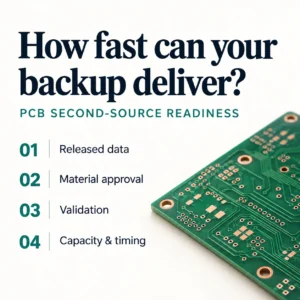
A backup PCB supplier is useful when it can deliver an approved production lot that your team can actually use. For an OEM or EMS
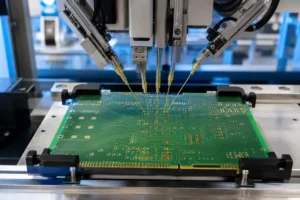
A 100% PCB electrical test verifies that the tested bare-board connections match the supplied netlist, but it does not prove every physical, assembly, or in-service
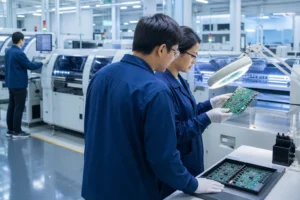
Choosing a PCB factory is not only a question of layer count, price, or whether a supplier can make a sample board. The more useful
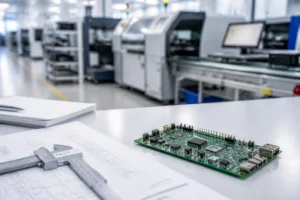
Learn how to move from a successful PCB prototype to stable production with documented CAM, materials, testing and change-control practices.
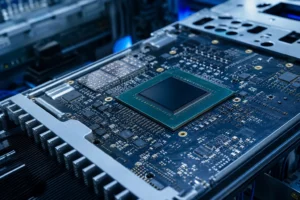
AI hardware is reshaping PCB sourcing. Learn how HDI design, thermal requirements, component supply and lead time affect OEM purchasing decisions.
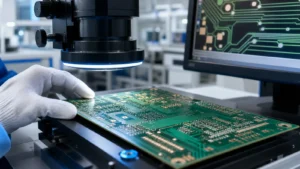
A 0.20 mm PCB trace in the design file may not finish at exactly 0.20 mm after etching, plating, copper thickness, and process capability are considered.
AOI, X-ray inspection, and flying probe testing solve different PCB and PCBA quality problems. The right method depends on the failure mode you need to catch.