
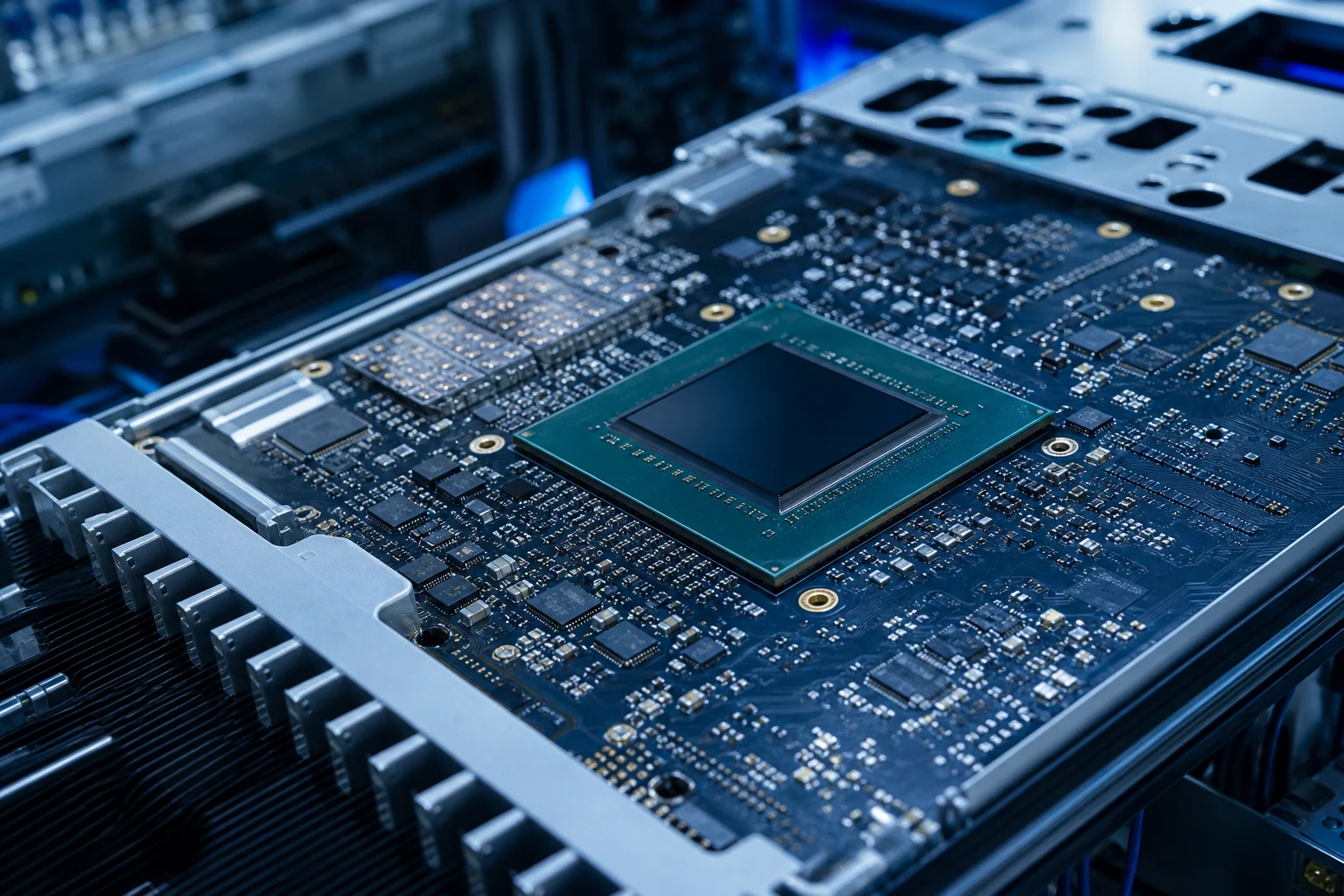
AI hardware is changing PCB sourcing from a simple price comparison into a deeper engineering and supply-chain decision. As AI devices, edge computing equipment, industrial controllers and high-speed communication modules become more common, buyers need to evaluate whether a PCB supplier can support density, signal integrity, thermal reliability and production stability together.
This article is inspired by a recent topic shared through the Cheerise Circuits LinkedIn official account about AI demand and its impact on electronics manufacturing. The practical takeaway is clear: for AI-related products, the best PCB supplier is not always the one with the lowest unit price. It is the supplier that can reduce engineering risk before mass production.
Why AI Demand Raises the Bar for PCB Suppliers
AI systems often push more processing power into smaller spaces. That pressure affects PCB design in several ways: higher routing density, more sensitive signal paths, increased heat, tighter component placement and a stronger need for reliable test coverage.
For buyers, this means the sourcing question changes from “Who can make this board cheaply?” to “Who can review the design, identify process risks and deliver repeatable quality?”
Key PCB Requirements for AI-Related Electronics
| Requirement | Why It Matters | What Buyers Should Confirm |
|---|---|---|
| HDI and fine features | AI modules often need compact routing and dense component placement. | Minimum line/space, via structure, laser via capability and stack-up review. |
| Controlled impedance | High-speed signals require stable electrical performance. | Impedance tolerance, material selection and stack-up calculation support. |
| Thermal management | Processors, power modules and dense layouts generate more heat. | Copper weight, thermal vias, metal-base options and material thermal properties. |
| Component sourcing | AI hardware may use harder-to-source ICs and long-lead-time components. | BOM review, approved alternates and supply-chain communication. |
| Inspection and testing | Dense assembly increases the cost of hidden defects. | AOI, X-ray, flying probe, functional test planning and inspection reports. |
Why Quote Data Must Be More Complete
For standard boards, a Gerber package and quantity may be enough for an initial estimate. For AI-related electronics, incomplete quotation data can hide cost and lead-time risk. A practical RFQ should include Gerber files, stack-up notes, impedance requirements, material preferences, BOM, pick-and-place data, assembly drawings and test expectations.
Sharing these details early helps Cheerise Circuits PCB manufacturing and assembly services review whether the design is suitable for stable production, quick-turn prototyping or staged ramp-up.
How Buyers Can Reduce Risk Before Production
- Ask for DFM review before ordering. Check line width, spacing, annular ring, via structure, solder mask clearance and panelization risks.
- Confirm materials early. FR-4 may be enough for many industrial designs, but high-speed or thermal requirements may need higher-performance materials.
- Discuss testing before assembly. AOI, X-ray, flying probe and functional test coverage should match the product risk level.
- Plan component availability. BOM review can reveal long-lead-time parts, lifecycle issues or possible approved alternates.
- Use prototypes as learning builds. Prototype feedback should improve the production file package before volume orders.
Where Cheerise Circuits Fits
Cheerise Circuits supports PCB fabrication, PCB assembly, component sourcing and quality inspection for industrial electronics projects. For AI-related or high-performance designs, the team can review manufacturing files, discuss material and stack-up requirements, and support staged production from prototype to batch delivery.
If your project involves HDI routing, dense PCBA, controlled impedance, thermal constraints or urgent delivery planning, you can contact Cheerise Circuits for a PCB quote. For file preparation and common RFQ questions, see the PCB Manufacturing FAQ.
FAQ
Why does AI hardware change PCB sourcing requirements?
AI hardware often requires faster signal transmission, higher component density, better thermal control and more stable supply planning. These requirements make PCB sourcing more engineering-driven than price-driven.
What PCB capabilities matter most for AI-related electronics?
HDI design, controlled impedance, fine line and spacing capability, reliable lamination, thermal management, component sourcing support and documented testing are especially important for AI-related electronics.
How should buyers prepare an RFQ for AI or high-performance PCB projects?
Buyers should share Gerber files, stack-up requirements, impedance notes, material preferences, BOM data, assembly drawings, testing requirements and target lead time so the supplier can review risk before quoting.