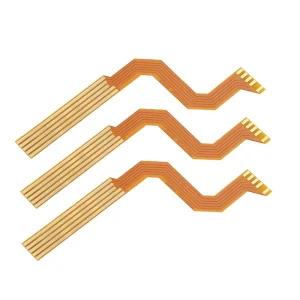
Flexible Circuit Board Manufacturing for Compact Interconnects
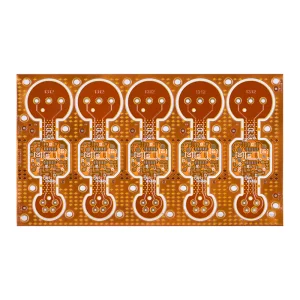
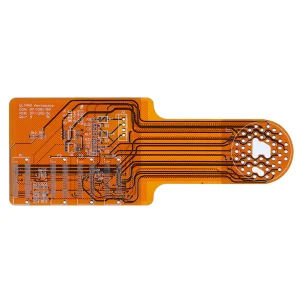
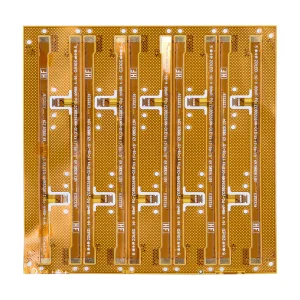
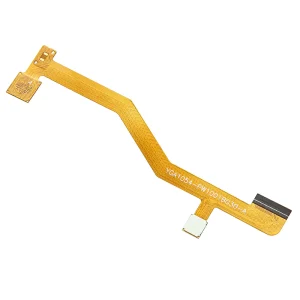
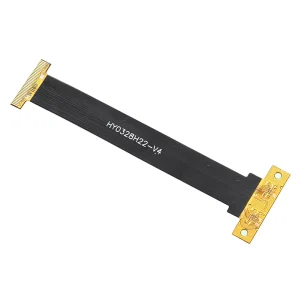
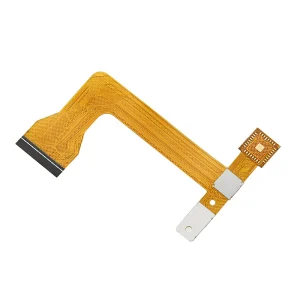
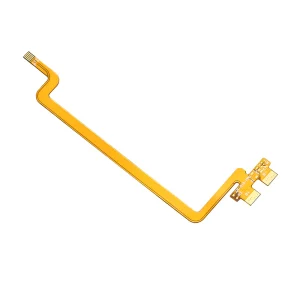
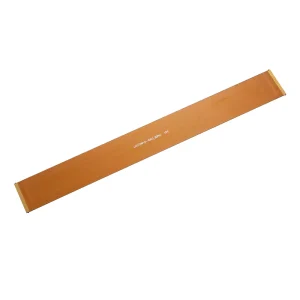
Flexible circuit boards, often called flex circuits or FPCs, use a bendable circuit structure to route electrical connections through compact or moving assemblies. Cheerise Circuits supports custom flexible circuit manufacturing for projects where board outline, routing space, connector position, reinforced areas, and installation geometry must be considered together.
A flexible circuit quotation should be based on the released production data rather than a photograph or generic capability label. Circuit outline, copper pattern, base material, coverlay, stiffener locations, connector geometry, surface finish, electrical test requirements, quantity, and delivery expectations can all affect manufacturability and cost.
Flexible Circuit Engineering Considerations
• Circuit outline, bend routing, and mechanical-clearance review
• Copper features near bends and transition areas
• Coverlay openings, reinforced ends, and stiffener requirements
• Connector fingers, contact geometry, and surface-finish definition
• Dimensional tolerances, panelization, electrical testing, and packaging
Where Flexible Circuits Are Used
Flexible circuits are commonly selected when conventional wiring or rigid boards would occupy too much space, add connector points, or make installation difficult. Typical design contexts include compact electronic modules, sensors, control interfaces, displays, lighting products, communication devices, and other assemblies with constrained routing paths.
Flexible Circuit Board FAQ
What information is needed for an FPC quotation?
Useful quotation data includes Gerber files, fabrication drawings, material and copper requirements, coverlay and stiffener details, connector dimensions, surface finish, quantity, testing requirements, and delivery destination.
Does every flexible circuit bend during operation?
No. Some flexible circuits bend only during installation, while others may be designed for repeated movement. The expected bend condition should be stated before manufacturing review.
Why are reinforced areas important?
Stiffeners or reinforced sections can support connector fingers, component areas, or mounting points. Their location and thickness must match the mechanical design.
Send your flexible circuit files for DFM review and quotation.