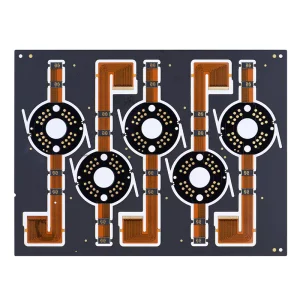
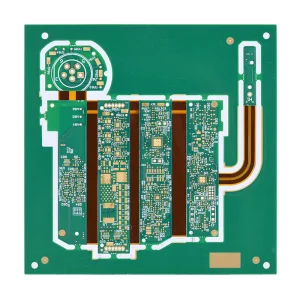
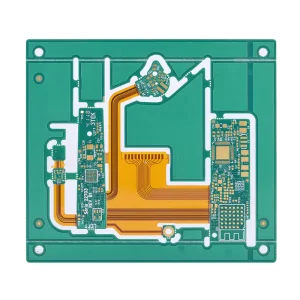
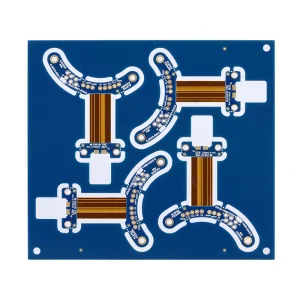
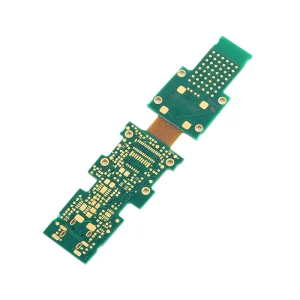
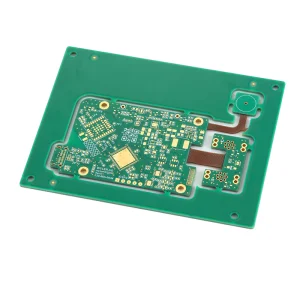
Flex-Rigid PCB Manufacturing for Compact Electronic Designs
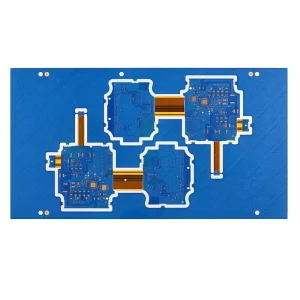
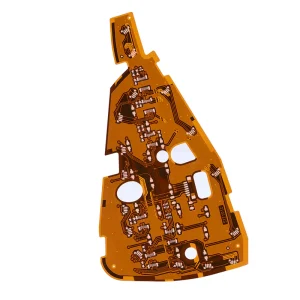
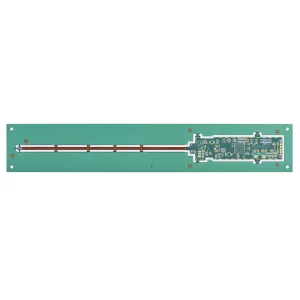
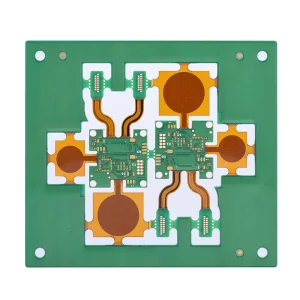
Flex-rigid PCBs combine rigid board sections with flexible circuit areas, helping electronic assemblies fit into compact spaces while reducing connectors, cables, and manual interconnection points. Cheerise Circuits supports custom flex-rigid PCB manufacturing for applications where space, reliability, bend routing, and assembly integration must be considered together.
A successful flex-rigid PCB project depends on early alignment between design intent and manufacturing capability. Material selection, bend radius, copper thickness, stiffener requirements, coverlay design, via placement, layer stack-up, and controlled impedance can all influence reliability and cost. A clear DFM review before fabrication helps reduce avoidable redesigns and production delays.
Flex-Rigid PCB Engineering Considerations
• Rigid and flexible layer stack-up review
• Bend-area design and minimum bend-radius discussion
• Polyimide flexible material and FR-4 rigid-section coordination
• Coverlay, stiffener, and solder-mask transition planning
• Via placement, copper balance, and impedance-sensitive routing review
Applications for Flex-Rigid PCB
Flex-rigid PCBs are commonly used in compact industrial electronics, communication modules, medical devices, sensors, test equipment, handheld devices, and assemblies where repeated cable connections are undesirable. Integrating flexible and rigid sections into one structure can simplify assembly and improve connection reliability.
Flex-Rigid PCB FAQ
What is the main benefit of a flex-rigid PCB?
A flex-rigid PCB reduces connectors and wiring while allowing compact three-dimensional assembly. This can save space and improve interconnection reliability.
What information is needed for a flex-rigid PCB quotation?
Useful RFQ information includes Gerber files, stack-up requirements, material preferences, bend-area drawings, copper thickness, surface finish, quantity, testing requirements, and any impedance or reliability requirements.
Why is DFM review important for flex-rigid PCB?
DFM review helps identify bend-radius, copper-routing, via-placement, material-transition, and stack-up risks before production starts.
Send your project files for a DFM review and quotation.