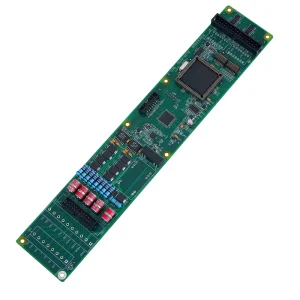
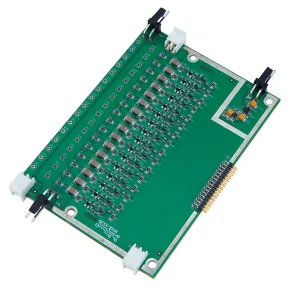
PCB Assembly Examples and Manufacturing References
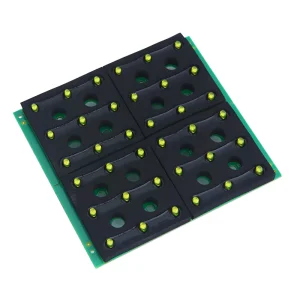
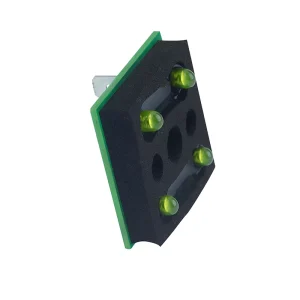
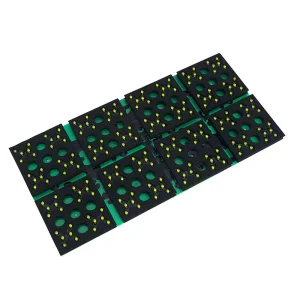
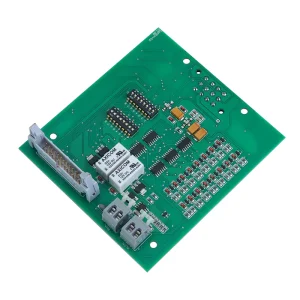
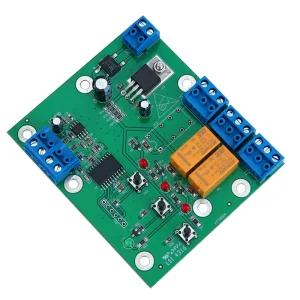
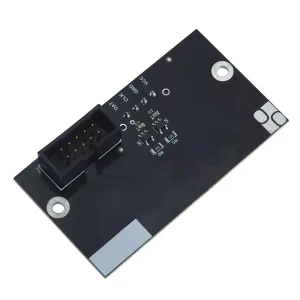
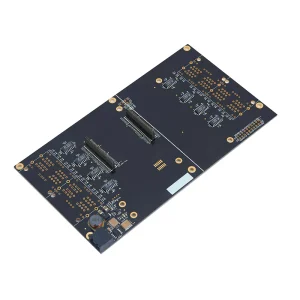
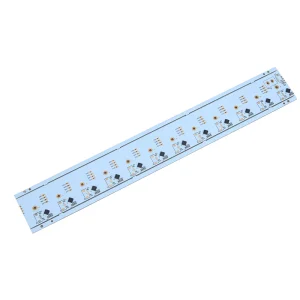
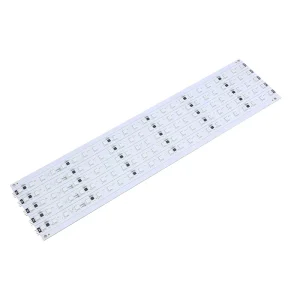
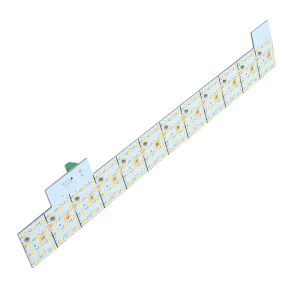
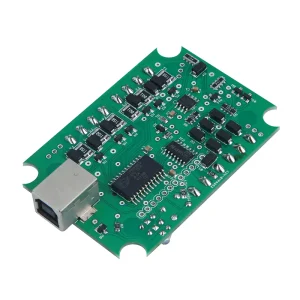
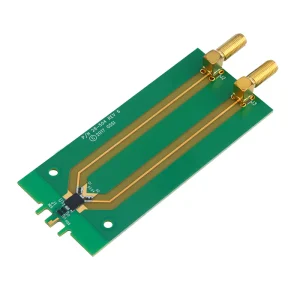
This gallery presents photographed PCB assembly references with different board layouts and component arrangements. The examples are manufacturing references rather than standard stocked products or fixed specifications. For assembly support, required RFQ files, and inspection planning, visit our PCB assembly services page.
PCB assembly involves more than mounting components on a bare board. A practical PCBA plan should consider BOM readiness, component sourcing, SMT requirements, through-hole parts, polarity control, inspection methods, electrical testing, packaging, and delivery schedules. Aligning these requirements before production helps reduce preventable delays.
Common PCB Assembly Capabilities
• SMT and mixed-technology assembly support
• Component sourcing coordination based on customer BOM requirements
• Prototype, small-batch, and production-oriented PCBA support
• Inspection planning using AOI, X-ray, flying probe, or functional testing when applicable
• Engineering communication for DFM, soldering risk, and manufacturability questions
When to Use Cheerise Circuits for PCBA
Cheerise Circuits is suited to projects that need both PCB fabrication knowledge and practical assembly coordination. This is especially useful for industrial control boards, products with fine-pitch components, mixed SMT and through-hole assembly, or designs where inspection planning is important before shipment.
PCB Assembly FAQ
Can Cheerise Circuits support both PCB fabrication and assembly?
Yes. Cheerise Circuits supports PCB manufacturing and assembly coordination so customers can manage fabrication, assembly, inspection, and delivery with one supplier.
What should be included in a PCB assembly RFQ?
A complete PCBA RFQ should include Gerber files, BOM, pick-and-place or CPL data, assembly drawings, testing requirements, quantity, delivery expectations, and any approved manufacturer or substitution rules.
Does AOI catch every PCB assembly defect?
No. AOI is useful for visible assembly defects, while hidden solder joints and electrical faults may require X-ray inspection, flying probe testing, or functional testing depending on the design.
Submit your Gerber, BOM, and assembly files for review.